
Bunion in Athletes — Don’t Ignore the Pain
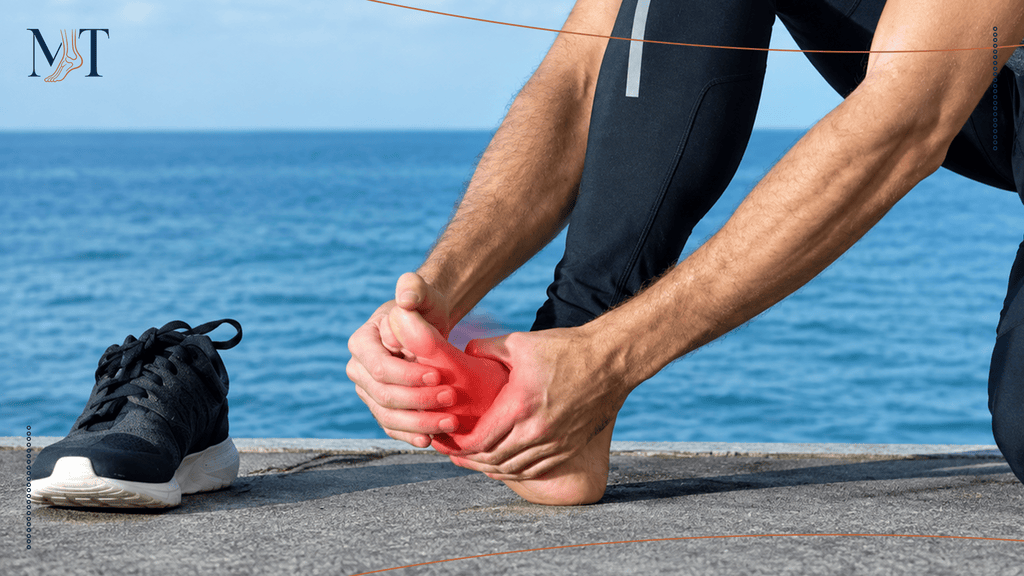
For athletes and active individuals, foot pain is often brushed aside as “just part of training.” But when it comes to a bunion, ignoring early pain can quietly affect performance and get worse the longer it’s left unaddressed. Why Are Athletes Especially Vulnerable? Repetitive impact, quick directional changes, and constant pressure on the forefoot all common in sports can accelerate the progression of an existing bunion faster than in a typical, less active lifestyle. How It Can Affect Performance? Continuing to train intensely while ignoring bunion pain often doesn’t just fail to solve the problem it can accelerate its progression, sometimes leading to a more complex situation than if it had been addressed early. Modern treatment approaches, including Minimally Invasive Surgery (MIS), are specifically well suited for athletes offering faster recovery timelines and less downtime compared to traditional surgery, making a return to sport realistic and well-planned rather than open ended. If foot pain is starting to affect your training or performance, it’s worth addressing early both to protect your current season and your long term foot health.
Don’t Wait — Bunion Gets Worse Over Time
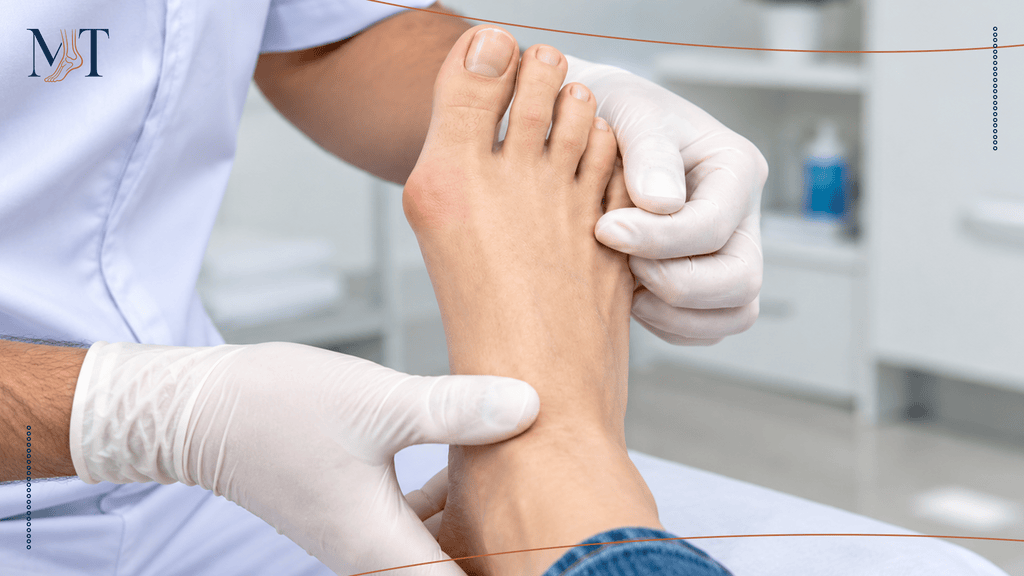
It’s easy to put off dealing with a bunion, especially in the early stages when it’s more of a visual annoyance than a real problem. But waiting often comes with a cost. Hallux Valgus typically doesn’t stay the same; it tends to gradually worsen over months and years. What starts as a small, painless bump can slowly develop into a source of daily discomfort, affecting how you walk and which shoes you can wear comfortably. What “Waiting” Can Lead To Early Evaluation Doesn’t Mean Immediate Surgery Getting your foot assessed early doesn’t automatically mean you’ll need an operation right away. In many cases, early-stage bunions can be managed with simple lifestyle and footwear adjustments options that are far more effective before the deformity progresses further. Waiting doesn’t make a bunion go away it usually just means dealing with a more advanced version of the same problem later on. An early evaluation costs very little time, but can meaningfully expand your treatment options.
3 Tips for a Faster Recovery After Surgery
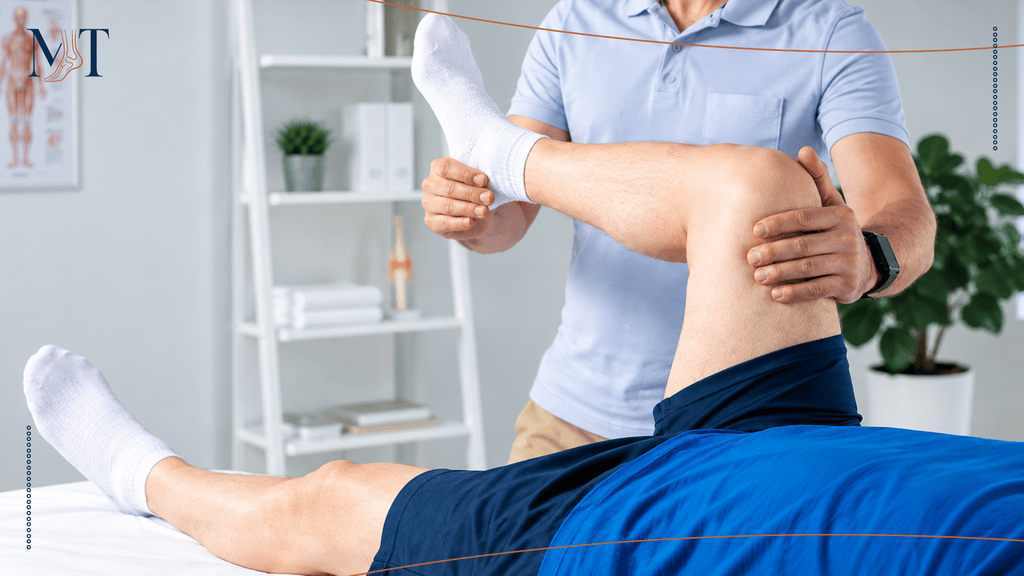
Surgery is only one part of the journey; how you take care of yourself afterward plays a huge role in how smoothly (and quickly) you recover. Here are 3 simple tips that make a real difference. 1. Rest and Elevate More Than You’d Expect In the first few days after surgery, keeping your foot elevated above heart level whenever possible helps reduce swelling significantly. Less swelling generally means less discomfort, and a smoother start to the healing process. 2. Stick to the Protective Shoe Even When You Feel Fine It’s common to start feeling better within days and be tempted to switch back to regular shoes early. Resist that urge. The protective post-operative shoe is designed to support the correction while the bone heals, skipping it too soon can put unnecessary stress on the area. 3. Don’t Skip Your Follow-Up Appointments Follow-up visits aren’t just a formality; they’re how your surgeon confirms healing is progressing as expected, and catches any small issues early, before they become bigger ones. Even if you feel completely fine, these visits are an essential part of the recovery plan. Recovery isn’t just about what happens in the operating room, it’s a partnership between the surgery itself and how well you follow the guidance afterward. These three simple habits can make the difference between a smooth recovery and unnecessary setbacks.
How Soon Can I Return to Daily Life?

One of the main reasons patients choose MIS is the promise of getting back to normal life sooner and for most, that promise holds true. The General Timeline It Depends on Your Lifestyle While these timelines are typical, healing pace can vary based on the individual case, the extent of correction needed, and how closely post-operative instructions are followed. Regular follow-up appointments help track progress and adjust expectations along the way. Compared to the longer downtime often associated with traditional open surgery, MIS allows most patients to reintegrate into daily life notably faster one of its most appreciated benefits.
What Level of Pain Should I Expect Post-Op?
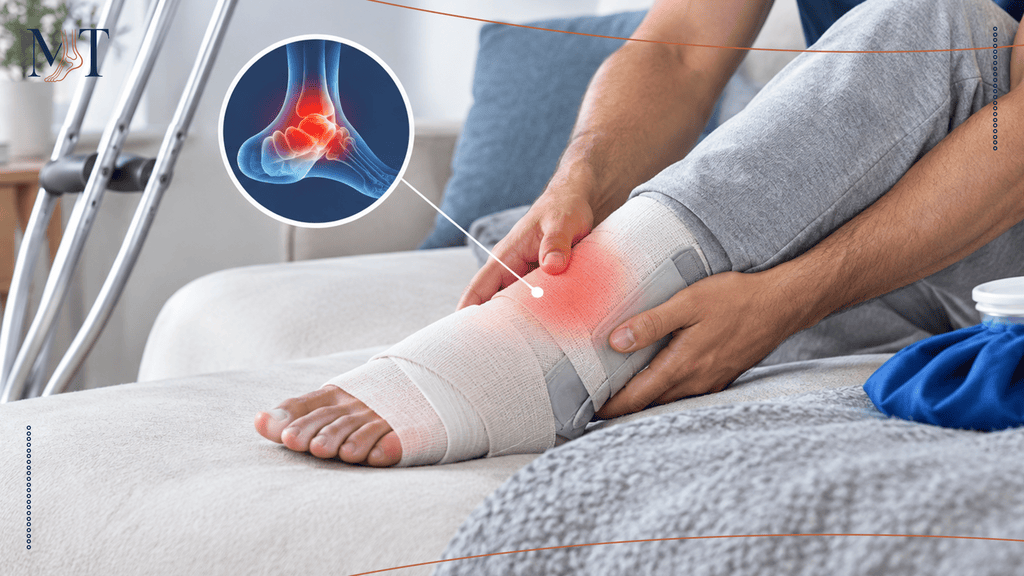
Pain is a natural concern before any surgery, and it’s one of the areas where MIS genuinely stands out compared to traditional approaches. Generally Milder Than Traditional Surgery Because MIS involves much smaller incisions and significantly less soft tissue disruption, most patients experience less post-operative pain compared to open bunion surgery. What’s Considered Normal In the first few days after surgery, mild to moderate discomfort particularly swelling and tenderness around the incision sites is expected. This is a normal part of the healing process, not a sign that something is wrong. How Pain Is Managed Post operative discomfort is typically well controlled with standard pain medication prescribed after the procedure. Most patients find that: When to Reach Out to Your Surgeon While some discomfort is expected, pain that suddenly worsens, is accompanied by significant swelling, redness, or fever, should always be discussed with your surgical team promptly these can be early signs worth checking, even if uncommon. Most patients describe the post operative experience with MIS as significantly more manageable than they expected, especially compared to what they’d heard about traditional open bunion surgery.