
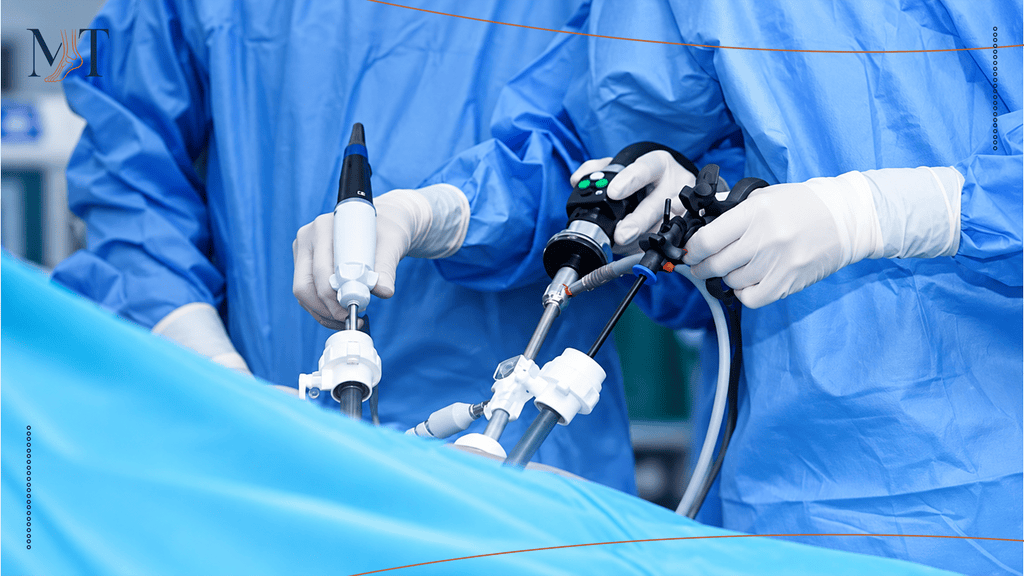
Minimally Invasive Surgery (MIS) has become the preferred approach for the vast majority of bunion cases but understanding who it’s truly suited for helps set the right expectations.
Mild to Moderate Deformities: The Most Straightforward Candidates
Patients with mild to moderate Hallux Valgus are typically excellent candidates for MIS.
In these cases, the correction can usually be achieved fully through the small, targeted incisions that define the technique.
More Advanced Cases Can Often Still Qualify
Contrary to a common assumption, MIS isn’t limited only to early stage bunions. Many moderately severe, and even some more advanced cases, can still be treated effectively with MIS depending on the specific bone alignment and joint condition.
Factors That Guide the Decision
- Degree of angular deformity: Measured through clinical exam and X-ray imaging
- Joint condition: Whether there’s significant arthritis or additional joint damage involved
- Bone quality: Relevant in certain patient groups, such as older adults
- Previous foot surgeries: Prior procedures may affect which approach is most suitable
When a Different Approach Might Be Considered
In select, highly complex cases such as significant joint damage or very advanced deformities a modified or combined surgical approach may be recommended instead, to ensure the best possible outcome.
Every foot is different, which is why candidacy for MIS is never assumed; it’s determined through a proper clinical evaluation and imaging assessment. This personalized approach ensures that each patient receives the technique best suited to their specific case, rather than a one size fits all decision.