Burjeel Hospital · Abu Dhabi

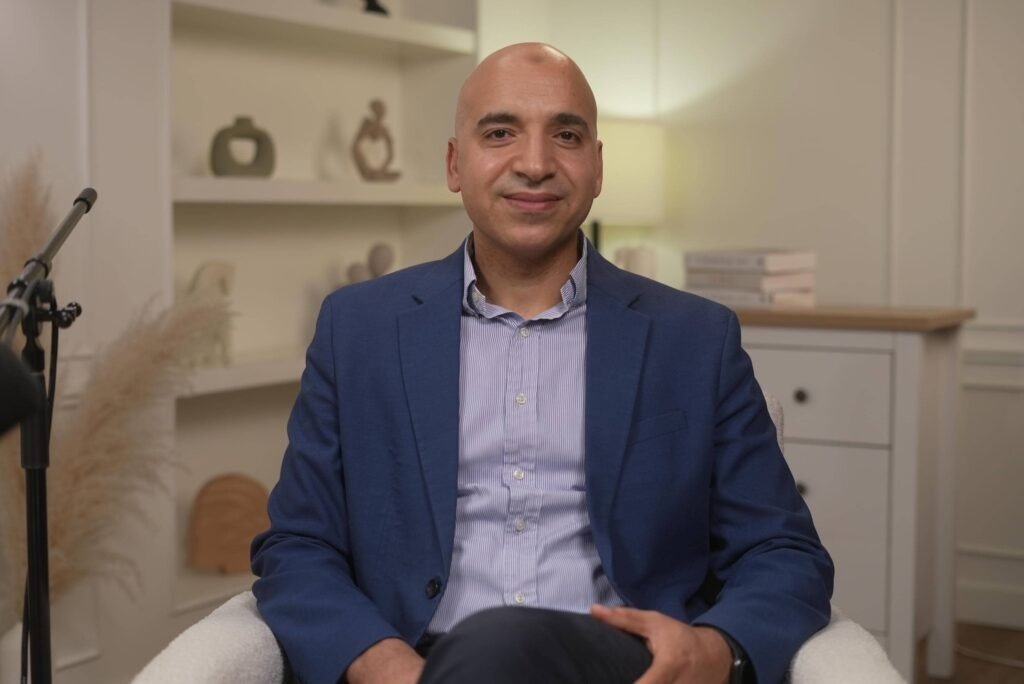
Dr. Mohamed Turky —Consultant Orthopedic Surgeon – Foot & Ankle & Sports Surgery

Minimally Invasive Foot & Ankle Surgery in Abu Dhabi, UAE

Bunions, ankle pain, sports injuries and complex fractures — every case is examined personally and treated with a plan built around your foot, using minimally invasive techniques wherever they are the right choice.

Explore Specialties →

22+ Years Exp 

MIS Specialist

Burjeel Hospital Abu Dhabi

22+ Years in Orthopedic and Foot & Ankle Surgery

Consultant Orthopedic Surgeon at Burjeel Hospital Abu Dhabi

MIS Pioneer

Smaller scars, faster recovery.

FRCS Fellow

Fellow of the Royal College of Surgeons of England.

Burjeel Hospital Abu Dhabi

Consultations, surgery and follow-up at Burjeel Hospital

About Dr. Mohamed Turky

Dr. Mohamed Turky is a Consultant Orthopedic Surgeon specialising in foot and ankle surgery at Burjeel Hospital, Abu Dhabi. He is a Fellow of the Royal College of Surgeons of England (Trauma & Orthopedic), holds a PhD in Orthopedic Surgery and completed an Advanced Trauma Fellowship at University Hospital Basel, Switzerland. His practice combines more than two decades of international experience with minimally invasive techniques, used when they suit the patient’s foot and condition.

Years Experience
0 +

Dr. Turky treats

Quick Links

Dr. Turky’s practice focuses on foot and ankle surgery and lower-limb sports injuries, with minimally invasive surgery (MIS) used wherever it is clinically appropriate.

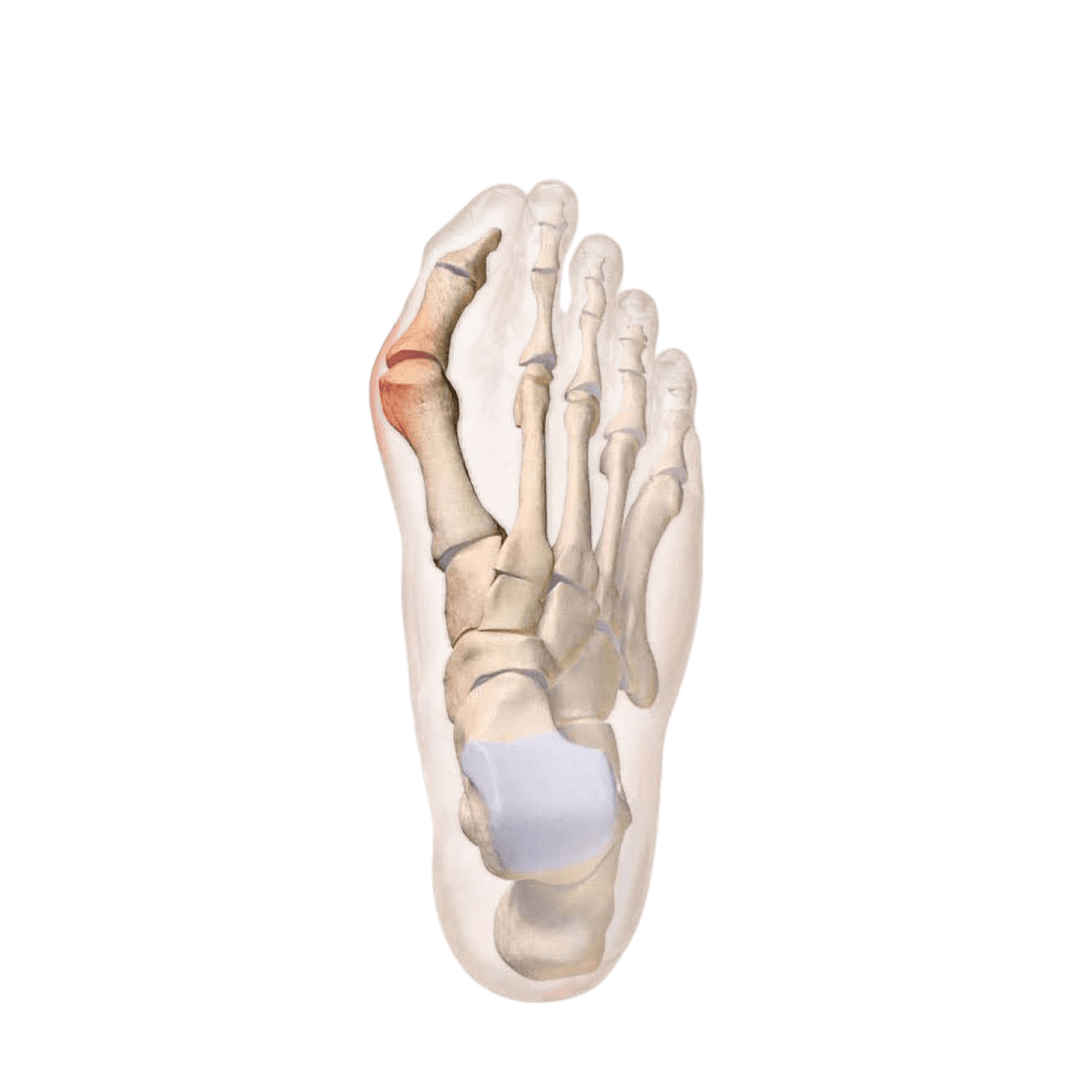
Hallux Valgus / Bunion

Correcting foot deformity with MIS — smaller scar, faster recovery.
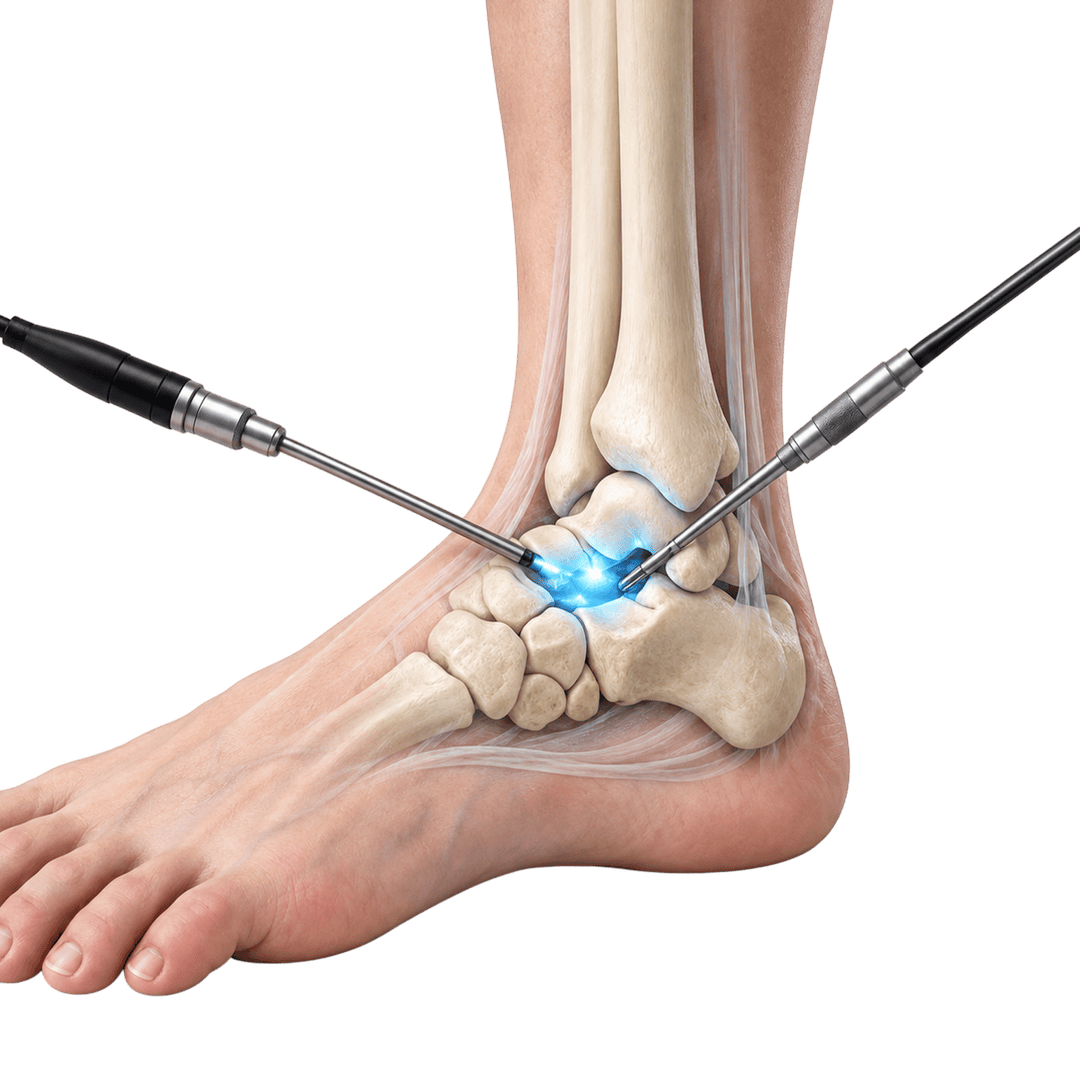
Ankle Arthroscopy

Diagnosis and treatment of ankle injuries through a tiny incision.

Sports Injuries & ACL

ACL reconstruction and tendon repair to get you back in the game.
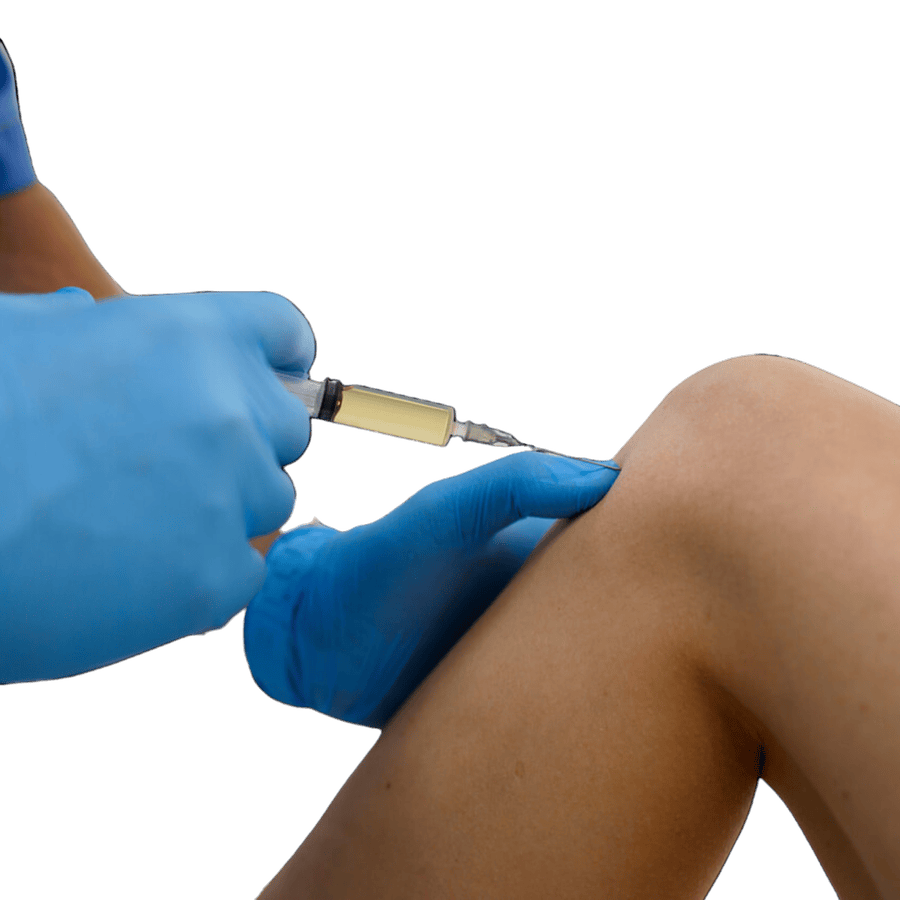
Regenerative Medicine — PRP

Platelet-rich plasma injections to support joint and tissue healing.
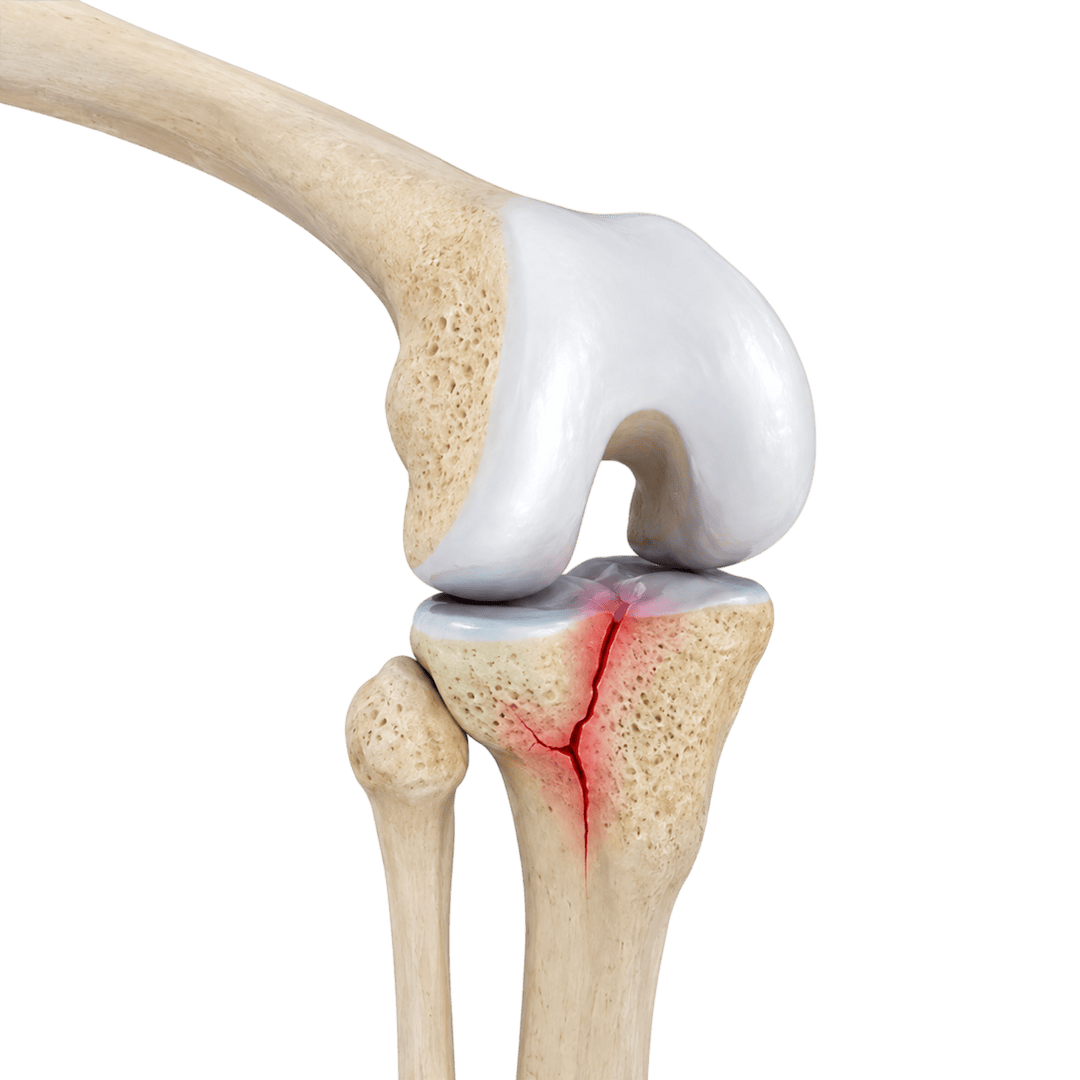
Complex Trauma & Fracture Care

Advanced surgical management when every second counts

Why Dr. Mohamed Turky?

22+ Years of International Experience

Trained in England and Switzerland with thousands of specialist procedures.

MIS Pioneer in the Region

Among the first to introduce Minimally Invasive foot & ankle surgery in the UAE.

Royal College Fellowship

FRCS (Trauma & Orthopedic) — England.

Burjeel Hospital Abu Dhabi

One of the region's leading hospitals with world-class standards.

What Our Patients Say

Sheryl Calubaquib

"I had my bunions surgery for Dr. Mohamed Turkey and I had the best results with my treatment, and Im happier with the care I received. The doctor was highly professional, knowledgeable, and took the time to explain everything clearly. From the consultation to the treatment and follow-up, I felt well cared for. My pain has improved significantly, and my foot feels so much better. I truly appreciate the doctor's expertise and kindness, and I highly recommend them to anyone seeking treatment for bunions."

Majed Al Suwaidi

"I thought my sports days were over after a severe ankle injury. Dr. Turky's expertise and surgical precision during my arthroscopy got me fully recovered and back in the game safely. The care at Burjeel Hospital was exceptional."

Fatima Al Hammadi

"Dr. Turky's minimally invasive bunion surgery changed my life. I had been putting it off for years fearing a long recovery, but the scar is virtually invisible and I was back on my feet in record time. A truly world-class surgeon."

Khalid R.

"After months of chronic joint pain, the PRP regenerative treatments Dr. Turky recommended finally gave me my mobility back. He is incredibly knowledgeable, listens carefully, and explains every step of the process perfectly."

Patient Guides

  • All Posts
  • Awareness & Understanding
  • Commitment & Follow-Up
  • The Solution: MIS Surgery
  • Trust & Expertise

Frequently Ask Questions

No, not every case of Hallux Valgus requires surgery.

The treatment of a bunion depends on several factors, including the severity of the deformity, the level of pain, its impact on walking and daily activities, and whether symptoms can be managed effectively with non surgical treatments.

For patients with mild or early-stage Hallux Valgus, surgery may not be necessary.

A combination of simple measures can often help relieve symptoms, reduce pressure on the affected area, and improve overall foot comfort.

Non-Surgical Treatment Options

Depending on the individual case, treatment may include:

  • Wearing wide, comfortable shoes with sufficient room around the toes to avoid pressure on the bunion.
  • Silicone toe spacers to help reduce pressure between the toes and improve comfort while walking.
  • Physiotherapy and specific foot exercises to improve mobility, muscle balance, and foot function.
  • Bunion pads or protective cushions to reduce friction and pressure over the prominent area.
  • Custom or supportive orthotics, when appropriate, to improve foot mechanics and distribute pressure more evenly.
  • Activity modification and pain management when certain activities increase discomfort.

These treatments can be particularly helpful for managing symptoms and improving comfort in less severe cases.
However, it is important to understand that non surgical treatments do not reverse the underlying bone deformity. They are primarily intended to control symptoms and reduce pressure on the affected area.

Not every bunion progresses at the same rate, and the severity can vary significantly from one patient to another.

However, Hallux Valgus is generally considered a progressive deformity, meaning that the alignment of the toe can gradually change over time. Early assessment allows the condition to be monitored and managed appropriately before it becomes more symptomatic or begins to interfere significantly with daily activities.

You should consider an assessment if you notice a developing bump, increasing pain, difficulty finding comfortable footwear, or changes in the position of your big or lesser toes.

Early evaluation allows Dr. Turky to assess the structure and alignment of your foot, determine the severity of the deformity, and recommend the most appropriate treatment whether that involves footwear modifications, silicone toe spacers, physiotherapy and exercises, orthotics, or surgical correction when necessary.

A bunion is more than just a bump on the foot. Understanding what is causing it is the first step towards choosing the right treatment and protecting your foot function in the long term.

with advances in foot and ankle surgery, Minimally Invasive Surgery (MIS) has become an important option for treating Hallux Valgus (Bunions) in selected patients.

Both minimally invasive and traditional surgery aim to achieve the same fundamental goal: correcting the underlying deformity, restoring proper alignment of the big toe, and improving foot function.

The main difference is how the correction is performed.

Minimally Invasive Surgery (MIS)

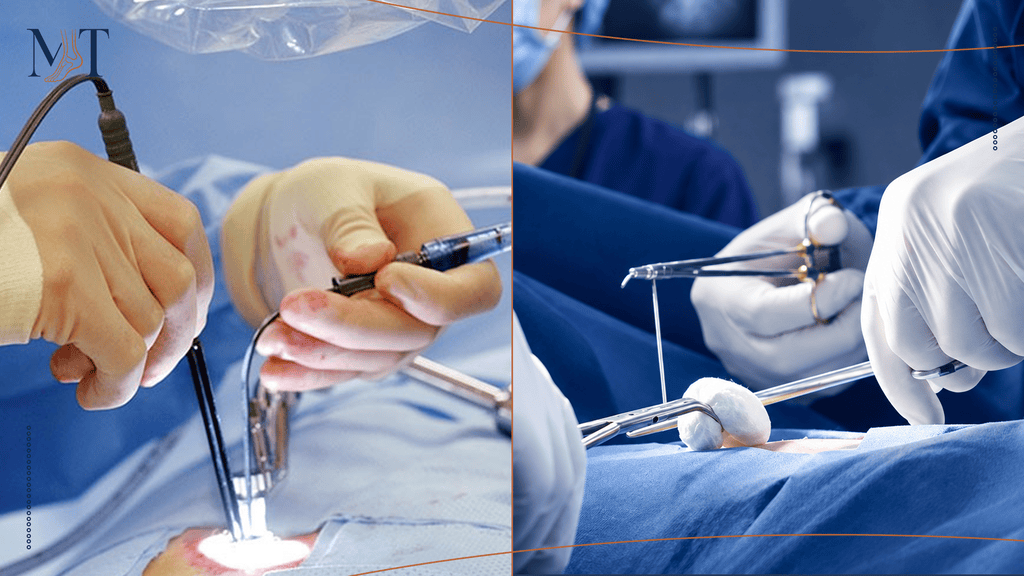
Minimally Invasive Bunion Surgery uses specialised instruments and techniques to correct the deformity through very small incisions, often only a few millimetres in size.

The procedure is performed under X-ray guidance, allowing the surgeon to accurately assess and correct the bone alignment while minimising disruption to the surrounding soft tissues.

Key Benefits of MIS May Include:

  • Very small surgical incisions, resulting in minimal visible scarring
  • Less soft tissue disruption during the procedure
  • Reduced post operative discomfort in many patients
  • Faster recovery and earlier mobilisation
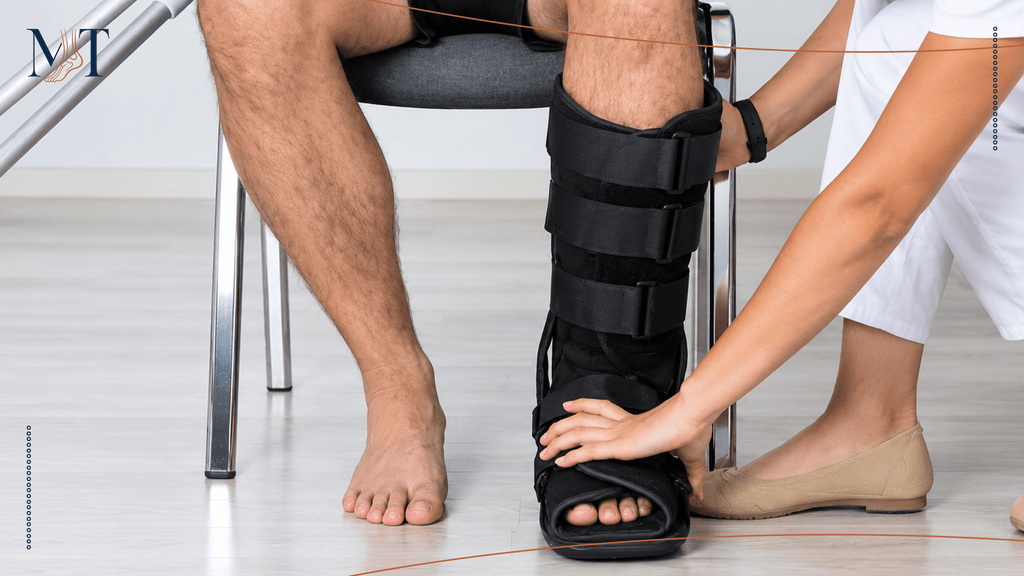
  • The ability to walk soon after surgery in a protective medical shoe, when appropriate
  • Less noticeable scarring and an improved cosmetic result

For suitable patients, MIS can provide effective correction while allowing an earlier return to normal daily activities.

Traditional Open Surgery

Traditional bunion surgery is performed through a larger incision, allowing direct visual access to the bones and joint.

Depending on the severity and type of deformity, different surgical techniques may be used to realign the bones and correct the position of the big toe.

While traditional surgery remains an effective and appropriate option for many patients, the larger incision and greater soft tissue exposure can result in more tissue disruption and, in some cases, a longer recovery period.

No.

Although MIS has significantly advanced the treatment of many foot and ankle conditions, it is not automatically the best option for every patient.

The appropriate surgical technique depends on factors such as the type and severity of the condition, bone and joint alignment, soft-tissue condition, previous injuries or surgeries, and the patient's individual functional needs.

Dr. Turky carefully assesses each case before recommending the most appropriate approach.

The goal of minimally invasive surgery is not simply to make smaller incisions. It is to achieve accurate surgical correction while minimising unnecessary tissue disruption and supporting a safe, effective recovery.