
The Role of Regenerative Medicine (PRP) in Recovery

Not every foot and ankle issue requires surgery and that’s exactly where PRP (Platelet-Rich Plasma) therapy comes in as a valuable, less invasive option. What Is PRP, Simply Put? PRP therapy uses a concentrated portion of the patient’s own blood rich in platelets that naturally support healing and injects it directly into an injured joint or tendon. The idea is to boost the body’s own repair process, right at the site that needs it most. Where PRP Fits in Treatment? PRP isn’t meant to replace surgery in every case. Instead, it plays a valuable role in: Why It’s Gaining Popularity? PRP is appealing because it uses the body’s own biological material, carries a low risk profile, and can often be done as a simple in-clinic procedure — without the downtime associated with surgery. Is PRP Right for Everyone? Not necessarily. The right candidate depends on the specific condition, its severity, and how it’s responded to other treatments so far. A proper evaluation helps determine whether PRP alone is enough, or whether it should be combined with another approach for the best outcome. Regenerative medicine like PRP reflects a broader shift in orthopaedic care supporting the body’s natural healing ability whenever possible, and reserving surgery for when it’s truly the right next step
Can a Bunion Come Back After Surgery?
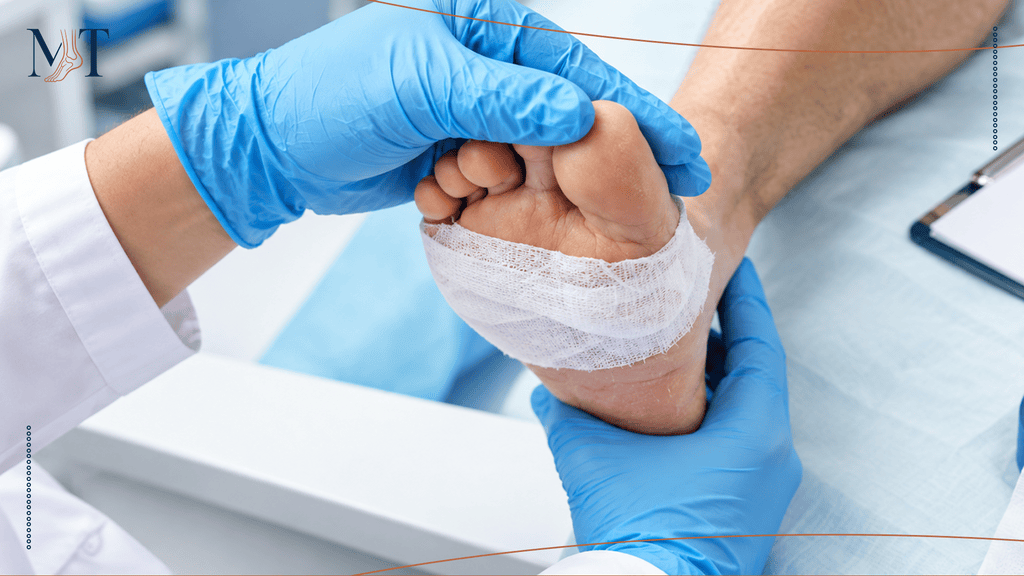
It’s a fair question to ask before any procedure: “Once it’s fixed, will it stay fixed?“ When it comes to bunion surgery especially with modern techniques like MIS the honest answer is reassuring, but with a few important details worth understanding. Recurrence Is Uncommon, But Not Impossible With properly planned and correctly performed surgery, the chances of a bunion returning are generally low. However, like any surgical correction, there’s always a small possibility of recurrence, which depends on several factors. What Affects the Chances of Recurrence How Patients Can Help Protect Their Results A well executed correction paired with sensible footwear choices afterward gives patients the best chance at a lasting result. While no surgery can offer an absolute 100% guarantee, recurrence after proper MIS correction is the exception, not the rule.
Does the Procedure Require General Anaesthesia?

Anesthesia is often one of the bigger worries patients have before surgery and with MIS, there’s usually good news on this front too. MIS bunion surgery can typically be performed under different types of anesthesia, depending on the patient’s case and preference: Many patients are surprised to learn that general anesthesia isn’t always necessary for MIS. Because the procedure is minimally invasive, lighter forms of anesthesia are often sufficient which can also mean a smoother, quicker recovery from the anesthesia itself. The right anesthesia approach depends on factors like the complexity of the case, the patient’s overall health, and personal comfort level. This is always discussed and decided together with the surgical and anesthesia team before the procedure. Knowing that a “fully asleep, general anesthesia” experience isn’t always required can ease a lot of pre-surgery anxiety another reason MIS tends to feel like a much less intimidating experience overall.
How Soon Can I Return to Daily Life?

One of the main reasons patients choose MIS is the promise of getting back to normal life sooner and for most, that promise holds true. The General Timeline It Depends on Your Lifestyle While these timelines are typical, healing pace can vary based on the individual case, the extent of correction needed, and how closely post-operative instructions are followed. Regular follow-up appointments help track progress and adjust expectations along the way. Compared to the longer downtime often associated with traditional open surgery, MIS allows most patients to reintegrate into daily life notably faster one of its most appreciated benefits.
When Can I Walk Again After Surgery?
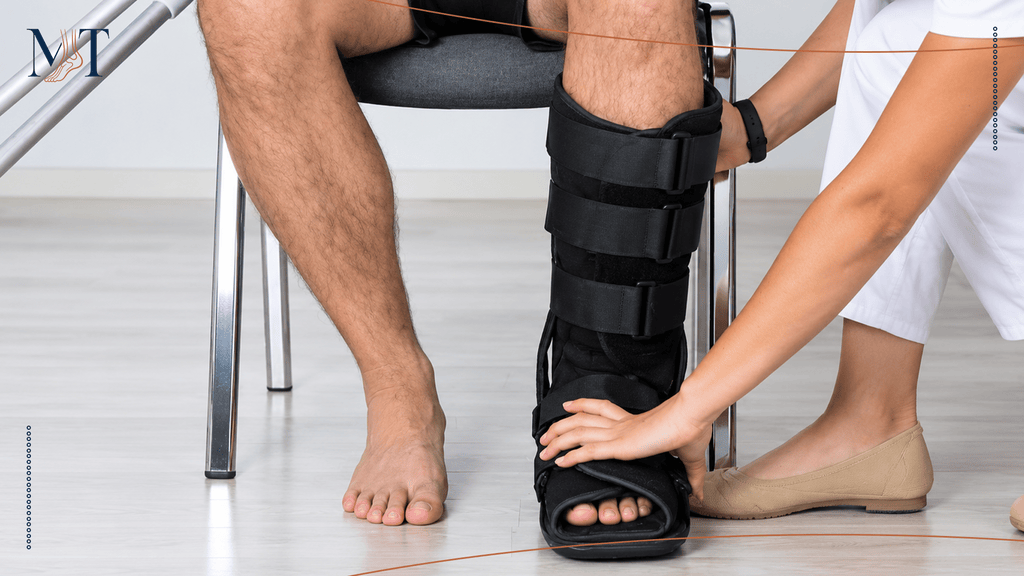
This is often the first question patients ask, and understandably so getting back on your feet matters. With MIS, the answer tends to be reassuring. Thanks to the minimal tissue disruption involved in MIS, most patients are able to walk on the same day as surgery, or the day after, using a special protective post-operative shoe designed to support the foot while it heals. While patients can walk almost immediately, this early walking is done carefully, in the supportive shoe, and typically with reduced weight-bearing or shorter distances at first not a full return to regular activity. A Gradual Progression Being able to walk early rather than being immobile for weeks is one of the most valued benefits of MIS. It allows patients to maintain a level of independence and daily function that traditional open surgery often didn’t allow in the same way.
What Level of Pain Should I Expect Post-Op?
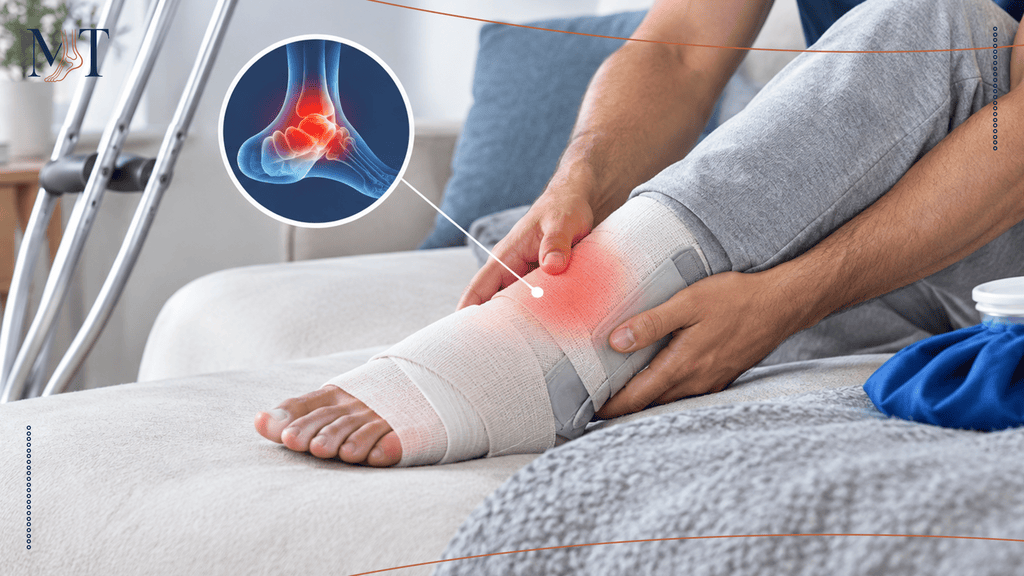
Pain is a natural concern before any surgery, and it’s one of the areas where MIS genuinely stands out compared to traditional approaches. Generally Milder Than Traditional Surgery Because MIS involves much smaller incisions and significantly less soft tissue disruption, most patients experience less post-operative pain compared to open bunion surgery. What’s Considered Normal In the first few days after surgery, mild to moderate discomfort particularly swelling and tenderness around the incision sites is expected. This is a normal part of the healing process, not a sign that something is wrong. How Pain Is Managed Post operative discomfort is typically well controlled with standard pain medication prescribed after the procedure. Most patients find that: When to Reach Out to Your Surgeon While some discomfort is expected, pain that suddenly worsens, is accompanied by significant swelling, redness, or fever, should always be discussed with your surgical team promptly these can be early signs worth checking, even if uncommon. Most patients describe the post operative experience with MIS as significantly more manageable than they expected, especially compared to what they’d heard about traditional open bunion surgery.
Will I Need to Stay in Hospital After the Procedure?
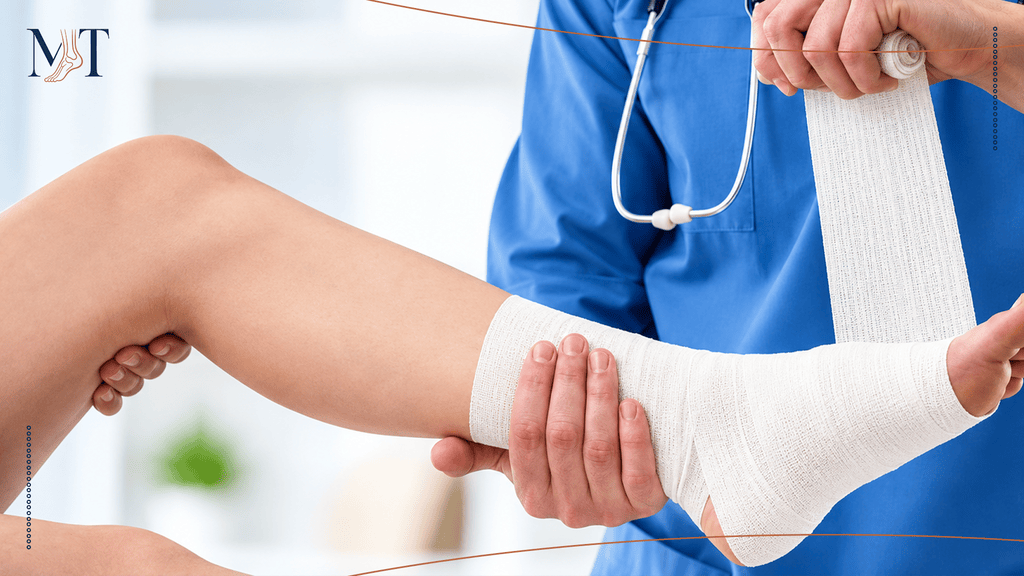
For most patients, one of the biggest relief points about MIS bunion surgery is that it doesn’t require a long hospital stay. Typically a Day Case MIS bunion correction is commonly performed as a day case procedure, meaning patients go home the same day as the surgery, once recovery from anesthesia is complete and everything looks stable. When a Short Stay Might Be Needed In some cases, depending on the complexity of the correction or the patient’s individual health factors, an overnight hospital stay may be recommended simply as a precaution but this is decided on a case-by-case basis, not as a standard requirement. What Happens Before You Go Home Before discharge, the surgical team will typically: Compared to traditional open surgery which sometimes requires longer hospital stays for monitoring, the shorter recovery time associated with MIS is one of the reasons patients find the overall experience much easier to manage.
How Small Is the Incision in MIS Surgery?
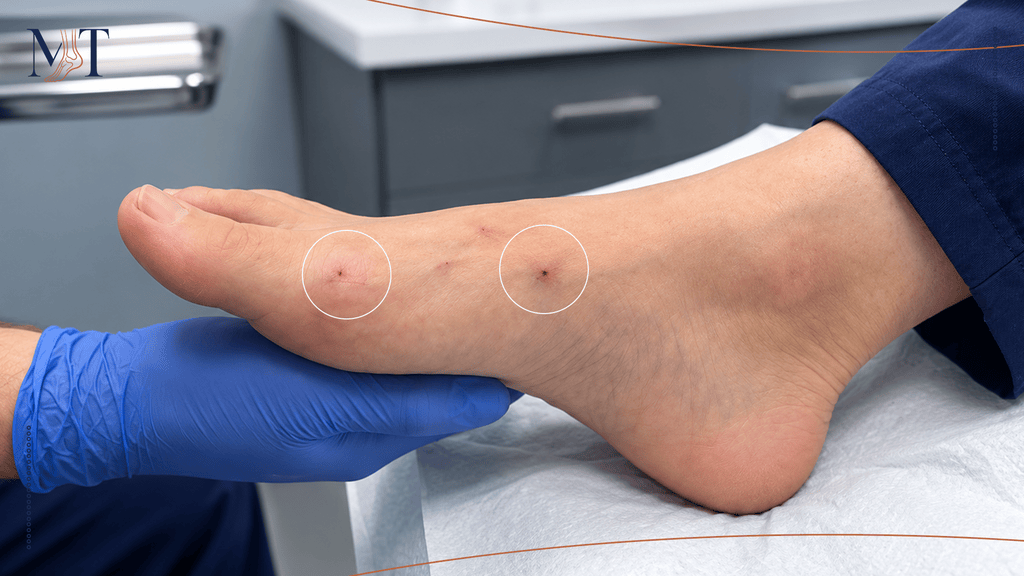
One of the most common questions patients ask before surgery is simply: “How big is the cut going to be?” And with MIS, the answer tends to be reassuring. In MIS bunion correction, incisions are typically only a few millimeters long, often compared to the size of a small puncture rather than a traditional surgical cut. Instead of one long incision, the surgeon uses 2 to 4 of these tiny openings around the joint. These small incisions are all that’s needed because the correction isn’t done by directly opening up and viewing the bone. Instead, specialized micro-instruments are guided through the tiny openings, while continuous X-ray imaging shows exactly what’s happening inside — allowing precise correction without a large opening. What This Means for Recovery? Smaller incisions typically mean: Will There Be Any Scarring at All? Some minimal marking is normal with any incision, but because MIS incisions are so small, the resulting marks are usually far less noticeable than the longer scar left by traditional open surgery, a detail many patients particularly appreciate.
Why Are Surgeons Worldwide Switching to MIS?
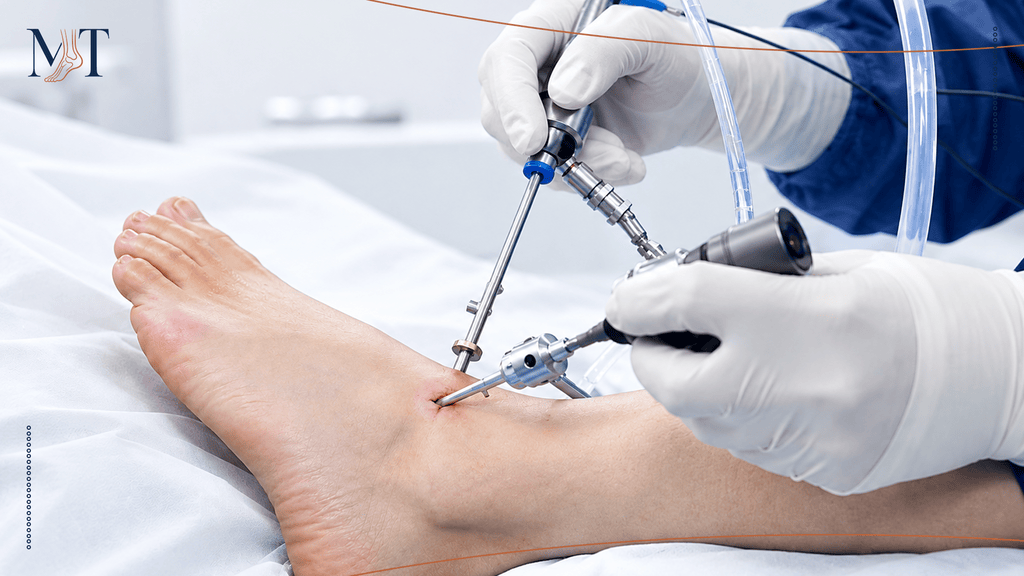
Minimally Invasive Surgery isn’t a passing trend; it reflects a genuine shift in how foot and ankle deformities are treated globally. Here’s why more surgeons are adopting it. The core appeal of MIS is simple: achieve the same correction, with far less disruption to the body. Smaller incisions mean less soft tissue damage, which naturally translates into less pain, less bleeding, and a smoother recovery for the patient. Earlier minimally invasive techniques were limited by the tools and imaging available at the time. Today, continuous X-ray guidance (fluoroscopy) combined with specially designed micro-instruments allows surgeons to correct bone position with a level of precision that was much harder to achieve years ago. Patients today are more informed, and they’re actively looking for options that mean less time off work, less visible scarring, and a faster return to normal life. This demand has pushed more surgeons to train in and adopt MIS techniques. This shift mirrors what’s happened across many fields of surgery from laparoscopic procedures to arthroscopy where “less invasive” doesn’t mean “less effective.” It often means achieving the same result with a much easier experience for the patient. Surgeons are adopting MIS because it genuinely improves the patient experience without compromising the quality of correction, a rare combination that’s hard to ignore.
MIS vs Traditional Surgery — What’s the Real Difference?
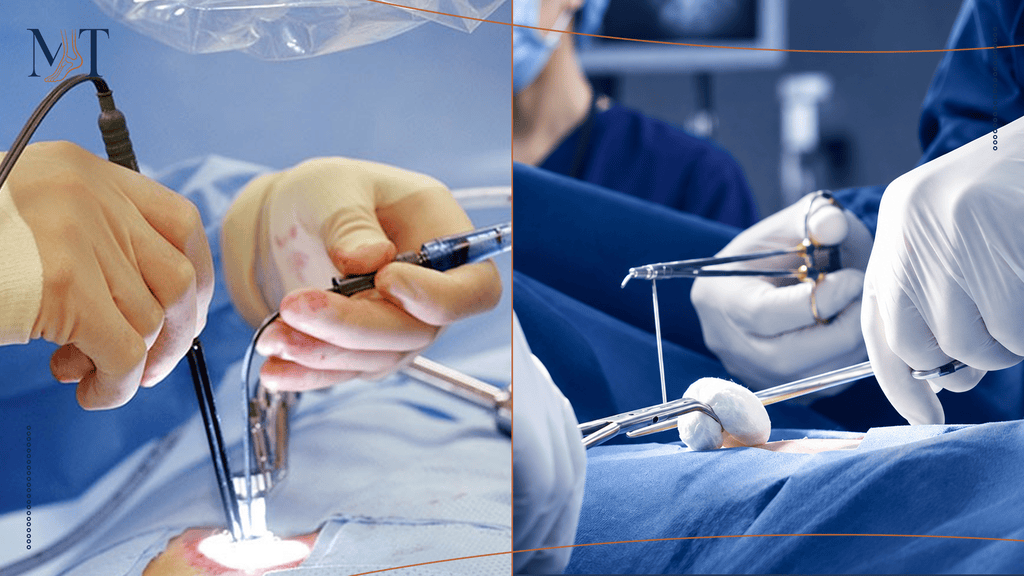
If you’ve been told you need bunion surgery, you’ve probably come across two terms: traditional (open) surgery and MIS (Minimally Invasive Surgery). They aim for the same goal correcting the bone but how they get there is very different. Traditional Surgery: The Older Approach Traditional bunion surgery involves a single, longer incision along the side of the foot, giving the surgeon direct, open access to the bone. While effective, this approach means more soft tissue disruption, a longer healing period, and a more visible scar. MIS: A More Modern Approach Minimally Invasive Surgery uses several tiny incisions, often just a few millimeters each, instead of one large cut. Specialized micro-instruments are guided through these small openings, with continuous X-ray imaging providing real-time visibility throughout the procedure allowing for a highly precise correction without opening up the foot. Comparing Traditional Surgery vs MIS Traditional Surgery MIS Incision size One long incision Several tiny incisions Bleeding More Minimal Scarring More visible Barely noticeable Recovery time Longer Faster Soft tissue damage More Minimal For the majority of cases, MIS offers real advantages in comfort and recovery. That said, the right technique always depends on the specific case the severity of the deformity and overall foot structure. A proper evaluation is the only way to determine which approach best serves you.