
One Step Makes All the Difference — Start Today

Of everything involved in treating a bunion, the assessment, the treatment plan, the recovery the hardest step is often simply the first one: booking the evaluation. Why People Delay It’s common to put off addressing a bunion because it doesn’t yet feel “serious enough,” or out of uncertainty about what treatment might involve. But this hesitation often means dealing with a more advanced, harder-to-manage version of the same issue later. What a Single Evaluation Actually Gives You Getting evaluated doesn’t mean committing to surgery. It simply means having the full picture so that whatever you decide next is based on clear information, not uncertainty. Whether your bunion is just starting to bother you, or it’s been a long standing issue you’ve learned to live with, the path forward starts with one simple step: booking that first assessment. Everything after that becomes clearer.
Quick Answers to the 3 Most Common Bunion Questions
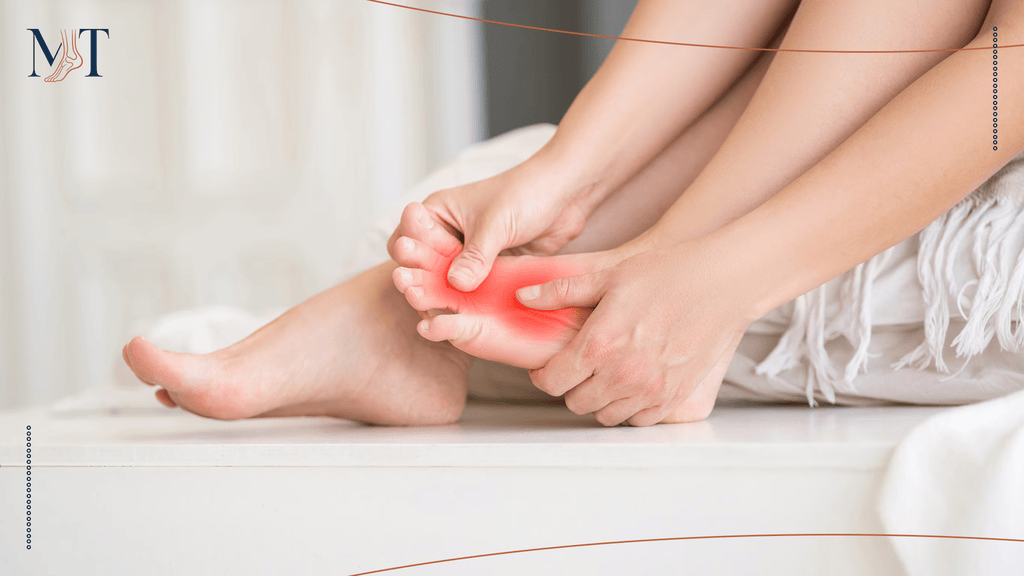
Some questions come up again and again from patients considering treatment. Here are quick, clear answers to the three most common ones. 1. “Do I definitely need surgery?” Not necessarily. Many mild to moderate cases can be managed with conservative measures like supportive footwear and orthotic inserts. Surgery becomes the recommended option mainly when pain persists, the deformity is progressing, or daily activities are being affected. 2. “How long will I be out of action?” With modern techniques like MIS, most patients are walking within days, and returning to most daily activities within a few weeks, a significantly shorter timeline than traditional open surgery, which often requires a longer recovery period. 3. “Will it come back after treatment?” With properly planned and executed surgical correction, recurrence is uncommon. Following post operative footwear guidance and attending follow up visits both play an important role in maintaining long-term results. These three questions cover most of what patients are really asking underneath the surface: “Is this serious? How much will it disrupt my life? And will I have to deal with this again?” Getting clear, honest answers early makes the entire decision-making process much less stressful.
Your Patient Journey: From Assessment to Recovery

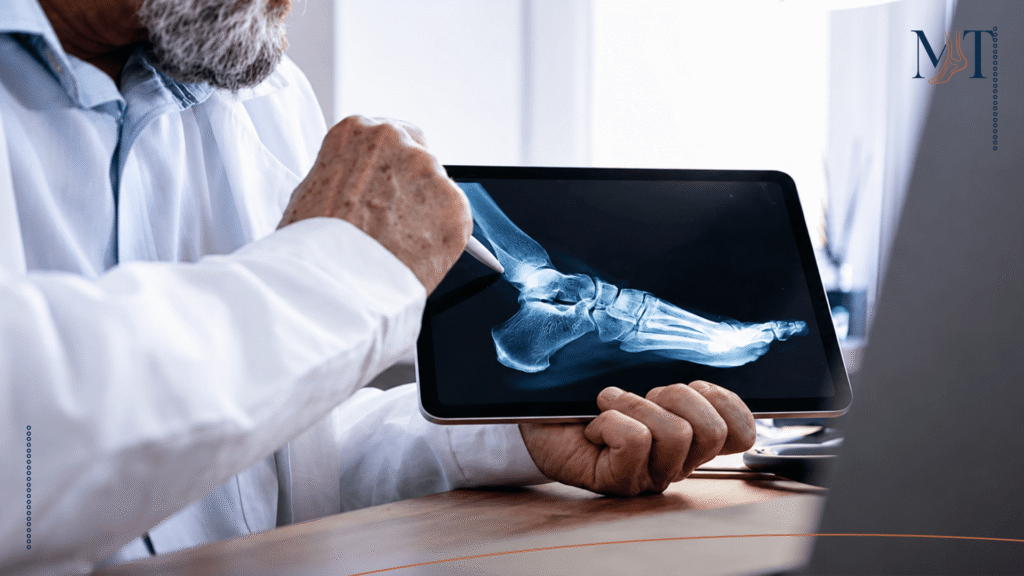
Understanding what the process actually looks like from your first visit to full recovery can make the entire experience feel far less uncertain. Step 1: Initial Assessment Your journey begins with a clinical examination and weight-bearing X-rays, which allow for an accurate evaluation of the deformity’s severity and the specific structure of your foot. This is also the stage where any questions or concerns are discussed openly. Step 2: Personalized Treatment Planning Based on the assessment, a treatment plan is built specifically around your case whether that means conservative management, or a surgical approach such as MIS. No two treatment plans are exactly the same, because no two feet are exactly the same. Step 3: The Procedure (If Surgery Is Recommended) If surgery is the right path, the procedure itself particularly with MIS is designed to be as minimally disruptive as possible, with small incisions and precise, imageguided correction. Step 4: Early Recovery In the days immediately following surgery, the focus shifts to rest, elevation, and early walking in a protective shoe, the first steps of the healing process. Step 5: Follow-Up and Progress Monitoring Regular follow-up visits track healing progress, address any concerns, and guide the gradual return to normal footwear and activity. Step 6: Full Recovery and Long-Term Care As healing completes over the following weeks and months, the focus moves toward returning to regular activities along with guidance on footwear and habits that support long term results. Why Understanding This Journey Matters? Knowing what to expect at each stage helps reduce anxiety and allows patients to feel more in control of their own care because a well-understood process is always easier to trust.
Myth: Bunion Is Just a Cosmetic Problem
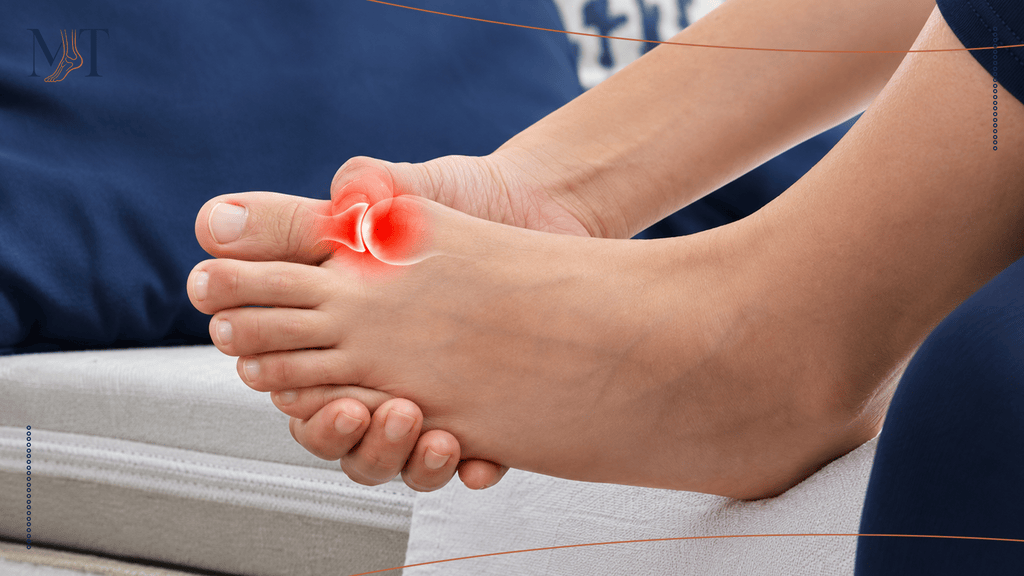
It’s a common misconception: “It’s just a bump, it’s not really a medical issue.“ But this idea, while understandable, isn’t accurate and believing it can actually delay proper treatment. Why People Think This Way Because a bunion is visible, many people assume the concern is purely about appearance. And it’s true that the visible bump is often what brings the condition to someone’s attention in the first place. The Reality: It’s a Structural Joint Issue A bunion isn’t just skin deep it’s a change in the actual position and alignment of the bones in the foot. This means it can affect: Unlike a purely cosmetic concern, Hallux Valgus is a progressive condition meaning it typically continues to develop over time rather than remaining static. What starts as a small, painless bump can gradually turn into a source of daily discomfort if left unaddressed. Believing a bunion is “just cosmetic” often leads people to delay seeking advice until the condition has progressed further and treatment options become more limited. Getting an early evaluation even if there’s no pain yet helps you understand exactly what’s happening and what your options are, while they’re still the simplest ones available. A bunion is a real structural change in your foot, not just an appearance issue. Treating it as “just cosmetic” can mean missing the best window for simple, effective management.
How Footwear Affects Foot Deformity
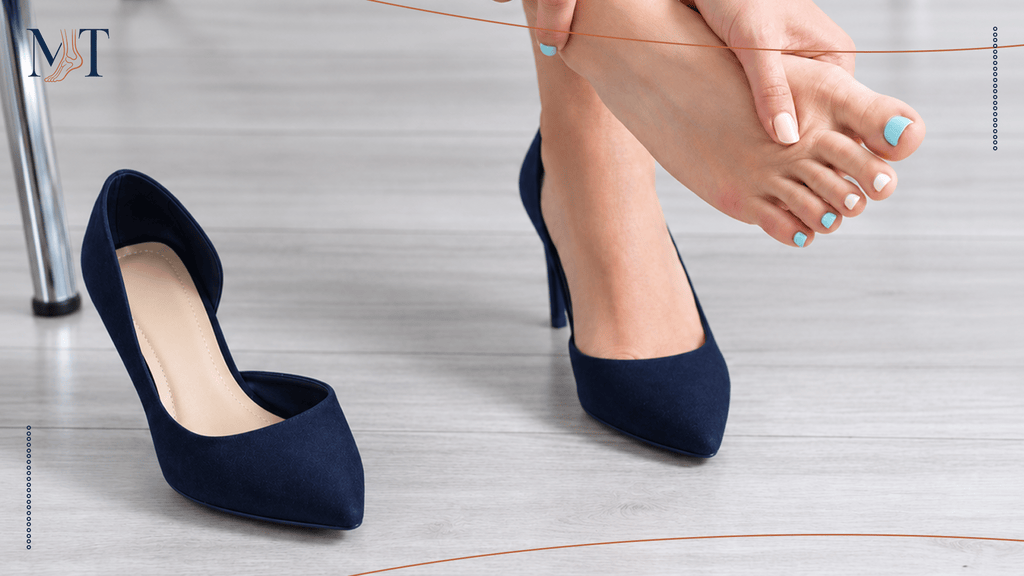
Shoes don’t create bunions out of nowhere but they can absolutely make things worse, faster. If you’re already prone to foot deformity, your footwear choices can either protect your feet or accelerate the problem. Shoes that squeeze the toes together, especially narrow or pointed toe styles force the big toe into an unnatural position. Over time, repeated pressure like this pushes the joint further out of alignment, speeding up bunion development. High heels shift a large amount of body weight forward onto the front of the foot, right where the big toe joint sits. Combine that with a narrow toe box, and you get one of the most common footwear combinations linked to worsening bunions. Beyond the visible bump, tight shoes can also cause: The good news is that the right footwear can genuinely help protect your feet: Choosing the right shoes isn’t just about avoiding pain in the moment it’s one of the simplest ways to slow down the progression of an existing bunion, or reduce your risk if you’re genetically prone to developing one.
Is Bunion Hereditary?
One of the most common questions patients ask is: “Did I get this from my parents?“ And in many cases, the honest answer is: yes, at least partly. The Genetic Connection Bunions themselves aren’t directly “inherited” the way eye color is but the foot structure that makes someone prone to developing one absolutely can be. Things like joint flexibility, foot shape, and how your bones are aligned are largely determined by genetics. This is why it’s so common to see bunions appear across generations in the same family: a mother and daughter, or siblings, often developing the same condition, sometimes even in similar patterns. So Why Doesn’t Everyone in the Family Get One? Because genetics set the foundation, but they’re not the only factor. Two people with a similar inherited foot shape might have very different outcomes depending on: What This Means for You If bunions run in your family, it doesn’t mean you’re guaranteed to develop one but it does mean it’s worth paying closer attention to your foot health, especially as you get older. Small preventive habits, like choosing supportive footwear early on, can help slow down or reduce the impact of a genetic predisposition. The Bottom Line Yes, bunions have a strong hereditary component but genetics is the starting point, not the whole story. Lifestyle and footwear choices still play a meaningful role in how (and whether) the condition develops and progresses.
5 Warning Signs You Shouldn’t Ignore
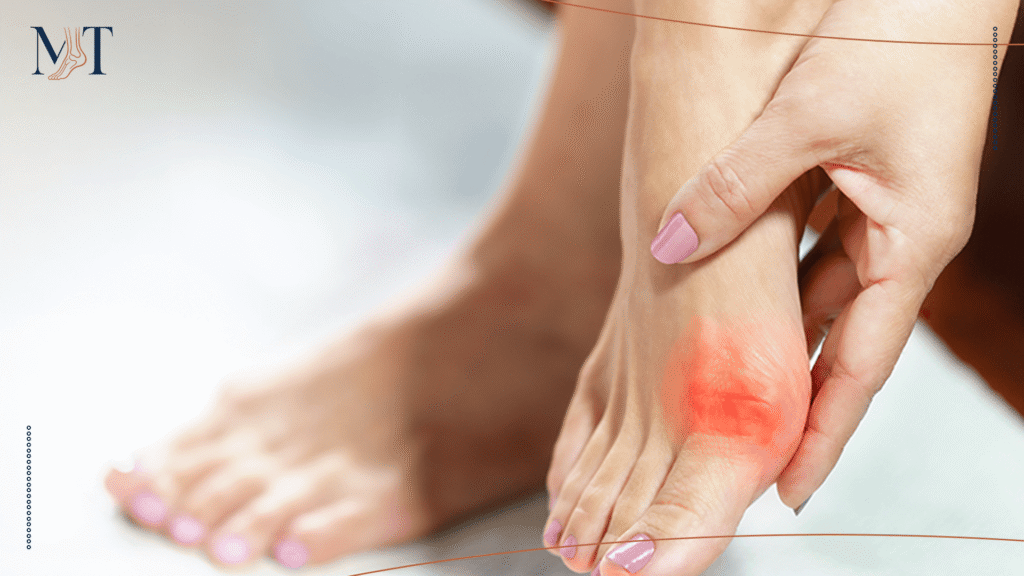
Bunions develop slowly, which means it’s easy to brush off the early signs as “nothing serious.” But catching the warning signs early can make a real difference in how the condition progresses and how easily it can be managed. Here are 5 signs worth paying attention to: 1. Persistent Pain, Not Just Occasional Discomfort A little soreness after a long day is normal. But pain that keeps coming back, especially around the base of the big toe, is a sign the joint is under ongoing stress. 2. A Bump That’s Getting More Noticeable If the bump at the side of your big toe seems to be growing, or becoming more visible over months, this usually means the deformity is progressing, not staying the same. 3. Redness or Swelling Around the Joint Ongoing irritation, redness, or swelling around the big toe joint is often a sign of inflammation caused by friction and pressure usually from footwear rubbing against the bump. 4. Your Big Toe Is Shifting Toward the Others If you notice your big toe starting to lean or even overlap with your second toe, this is a clear sign the deformity has progressed beyond the earliest stage. 5. You’re Avoiding Certain Shoes Because of Pain If you find yourself constantly choosing shoes based on what “doesn’t hurt” rather than what you actually want to wear, that’s a strong signal it’s time for a proper evaluation. Why Early Attention Matters None of these signs mean you need surgery right away but they do mean it’s worth getting your foot properly assessed. Early evaluation gives you more options, from simple conservative care to knowing exactly when (and if) a surgical solution makes sense.
The Real Causes Behind Foot Deformity
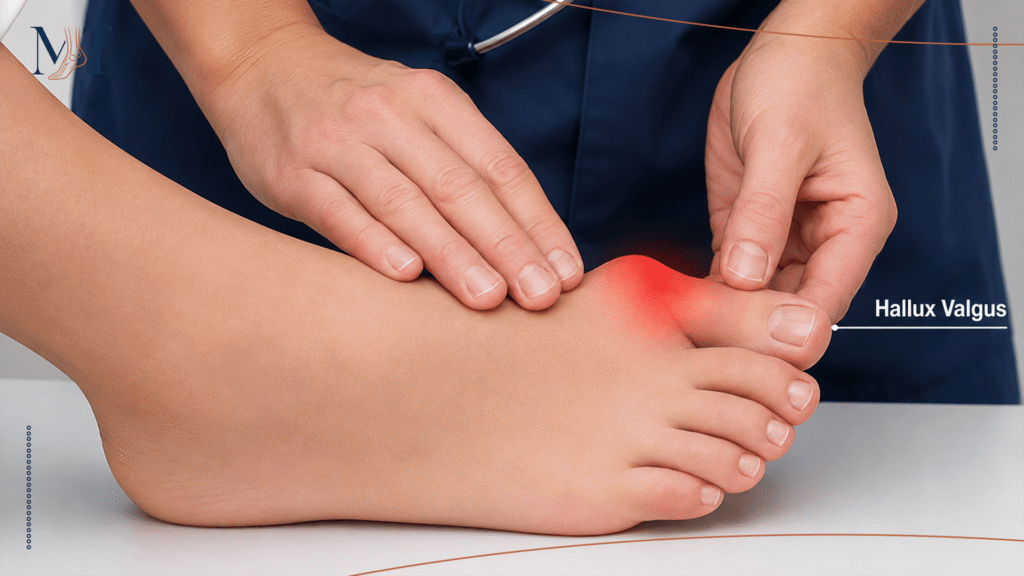
When most people notice a bunion forming, their first thought is usually: “It’s because of my shoes.” And while footwear does play a role, it’s rarely the actual root cause. It Starts With How Your Foot Is Built The biggest factor behind foot deformities like bunions is your foot’s natural structure how your bones are aligned, how flexible your joints are, and the way your foot handles weight and pressure with every step. Some people are simply born with a foot shape that puts more strain on the big toe joint over time. Genetics Play a Bigger Role Than You’d Think If your mother, father, or siblings have bunions, there’s a good chance you’re more likely to develop one too. Foot shape and joint structure are largely inherited which is why bunions often appear in multiple members of the same family, sometimes even at similar ages. Footwear: An Accelerator, Not the Root Cause Tight, narrow, or pointed shoes don’t create a bunion out of nowhere but if your foot is already prone to one, this kind of footwear can speed up the process significantly. Constant pressure on the joint pushes the deformity to progress faster than it naturally would. Other Contributing Factors A bunion is rarely caused by just one thing; it’s usually a combination of how your foot is built, your genetics, and daily habits like footwear choice. Understanding your specific cause is the first step toward the right treatment plan, whether that’s simple prevention or a more advanced solution.
Does every case of Hallux Valgus (Bunion) require surgery?
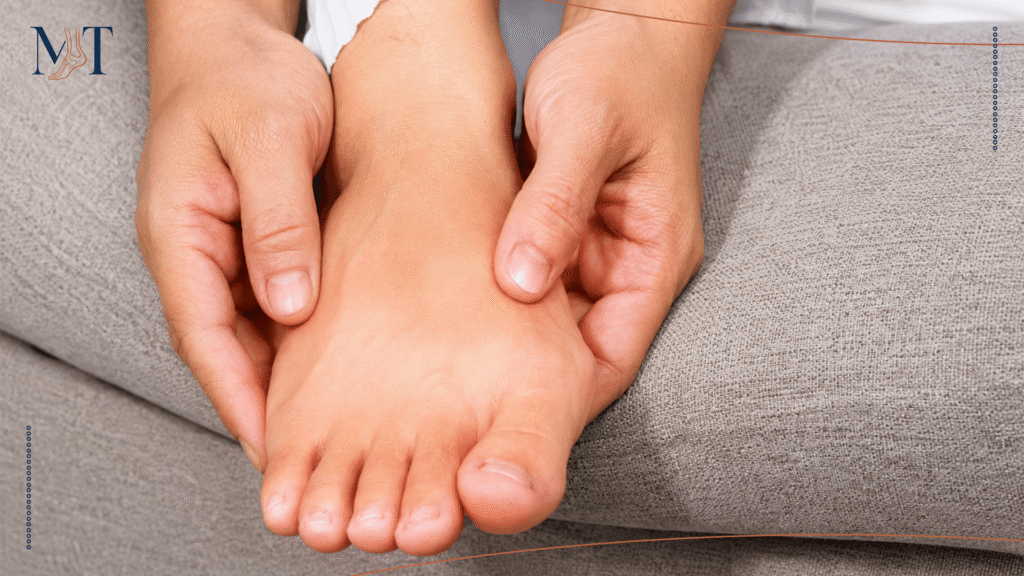
A: No , not every bunion needs surgical correction. The decision depends on the severity of the deformity and how much it affects the patient’s daily life. In mild to moderate cases, especially when the bunion causes little to no pain, treatment often starts with conservative measures: wearing wider, more comfortable shoes, using orthotic inserts or toe spacers, and avoiding footwear that puts pressure on the joint. These steps won’t reverse the deformity, but they can reduce discomfort and slow its progression. Surgery becomes the recommended option when: For patients who do need surgery, techniques like Minimally Invasive Surgery (MIS) now offer a much easier path than traditional open surgery with tiny incisions, less pain, and a significantly faster recovery. The best approach is always a personalized evaluation. A simple clinical exam and weight-bearing X-ray can determine the exact severity of the case and whether conservative treatment is enough, or whether surgical correction is the right next step.